
Swedenborg Foundation
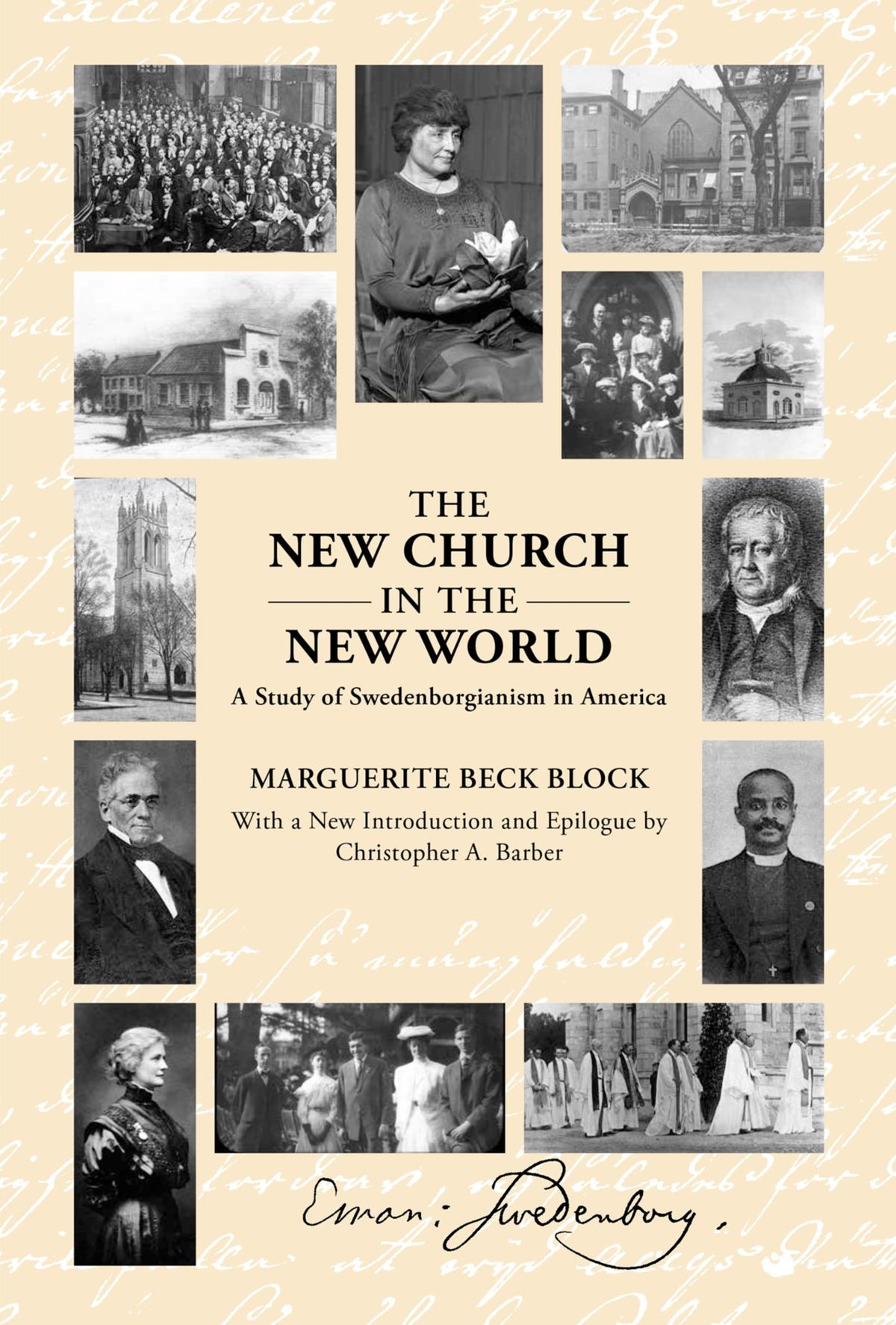
The New Church in the New World: A Study of Swedenborgianism in America
Title:Paperback
Quantity:
Choose options
Title:Paperback
Quantity:
Title:Paperback
Quantity:
Swedenborg Foundation
Product Details
A history of the development of the Church of the New Jerusalem in the United States.
The Church of the New Jerusalem, or New Church, is a Christian denomination that developed in the late eighteenth century, based on the writings of Swedish visionary Emanuel Swedenborg (1688–1772). In this book, Marguerite Block explores the church’s beginnings and traces how it spread through the United States, from its introduction in Philadelphia after the American Revolution to its development through the nineteenth century. Originally published in 1932, this volume remains the most comprehensive book on New Church history in print. This 4th edition contains a new introduction and epilogue by Christopher A. Barber.
A history of the spread of the Church of the New Jerusalem, also known as the New Church, in the United States. The church is based on the writings of Swedish visionary Emanuel Swedenborg (1688–1772).
The Church of the New Jerusalem, or New Church, is a Christian denomination that developed in the late eighteenth century, based on the writings of Swedish visionary Emanuel Swedenborg (1688–1772). In this book, Marguerite Block explores the church’s beginnings and traces how it spread through the United States, from its introduction in Philadelphia after the American Revolution to its development through the nineteenth century. Originally published in 1932, this volume remains the most comprehensive book on New Church history in print. This 4th edition contains a new introduction and epilogue by Christopher A. Barber.
A history of the spread of the Church of the New Jerusalem, also known as the New Church, in the United States. The church is based on the writings of Swedish visionary Emanuel Swedenborg (1688–1772).
PublisherSwedenborg Foundation
Publication Date
2024-12-26
Language
English
Print Length
564
ISBN-10
—
ISBN-13
Paperback:
9780877853640
EPUB:
9780877857235
Item Weight
1.88 lb
Dimensions
6.0 x 9.0 in
Table of contentS
Introduction to the 2024 Edition
Preface
I. Emanuel Swedenborg: His Life and Mission
II. “The Heavenly Doctrines”: An Outline of New Church Theology
III. Reception of the Doctrines: The Birth of the New Church
IV. The New Church in America: The Pioneers
V. Beyond the Alleghenies: the New Church on the Frontier
VI. The Intellectual Environment: The New Church Among the “isms”
VII. The General Convention: The Development of Ecclesiasticism
VIII. The Academy and the General Church: The Schism of 1890
IX. The “Conjugial Love” Controversy: The Krampf Will Case
X. The General Church and the Community at Bryn Athyn
XI. Liberalism in the New Church
XII. The New Church and the Social Gospel
XIII. The General Convention Since 1890
Conclusion: Present Scene and Future Prospects
Epilogue to the 1984 Edition
Epilogue to the 2024 Edition
Appendix: Introduction to the 1984 Edition (with Notes)
Abbreviations
Notes
Bibliography
Index
Preface
I. Emanuel Swedenborg: His Life and Mission
II. “The Heavenly Doctrines”: An Outline of New Church Theology
III. Reception of the Doctrines: The Birth of the New Church
IV. The New Church in America: The Pioneers
V. Beyond the Alleghenies: the New Church on the Frontier
VI. The Intellectual Environment: The New Church Among the “isms”
VII. The General Convention: The Development of Ecclesiasticism
VIII. The Academy and the General Church: The Schism of 1890
IX. The “Conjugial Love” Controversy: The Krampf Will Case
X. The General Church and the Community at Bryn Athyn
XI. Liberalism in the New Church
XII. The New Church and the Social Gospel
XIII. The General Convention Since 1890
Conclusion: Present Scene and Future Prospects
Epilogue to the 1984 Edition
Epilogue to the 2024 Edition
Appendix: Introduction to the 1984 Edition (with Notes)
Abbreviations
Notes
Bibliography
Index